
🌟 The UK tax system is undergoing a significant transformation with the introduction of Making Tax Digital for Income Tax (MTD IT).
I don’t mean to panic everyone, but I want you all to be prepared for what is coming! This initiative specifically impacts self-employed individuals (with turnover over £50,000 in the year 2024-25) and landlords for 6th April 2026, by modernising tax administration to make it more efficient and straightforward. Understanding MTD IT’s implications and preparing accordingly is crucial for ensuring compliance and leveraging its benefits. 🌟
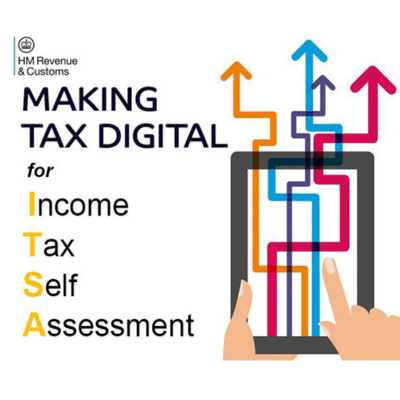
Understanding Making Tax Digital (MTD IT)
MTD IT is a government initiative designed to digitise the tax reporting process for self-employed individuals and landlords. Its primary objectives are to enhance efficiency, reduce errors, and simplify tax management. By transitioning to digital record-keeping and regular submissions, MTD IT offers a more accurate and up-to-date representation of a taxpayer’s financial status.
We know that for busy self-employed business owners, this may feel daunting and overwhelming. But don’t bury your head in the sand! Contact us today—we’re here to remove the stress and help you navigate these changes smoothly.
Key Timelines for MTD IT Implementation
The rollout of MTD IT is structured to accommodate different income thresholds:
• April 2026: Self-employed individuals and landlords with annual turnover (not profit) exceeding £50,000 are mandated to comply with MTD IT.
• April 2027: The threshold lowers to include those earning over £30,000 annually.
Future phases are expected to encompass individuals earning below £30,000, though specific dates have yet to be announced.

The Difference Between Submitting Tax Returns Now vs. Under MTD IT
Current Method of Submitting Tax Returns
- Annual Self-Assessment: Currently, self-employed individuals complete a Self-Assessment tax return once a year, submitting all income, expenses, and deductions in one go to HMRC.
- Manual Record-Keeping: Many still rely on paper records, spreadsheets, or non-MTD-compliant digital files.
- Single Submission Deadline: The deadline for Self-Assessment is 31st January following the end of the tax year.
- Potential for Errors: Without real-time updates, mistakes may go unnoticed until the tax return is filed.
- Limited Tax Planning: Since taxes are assessed annually, there is less opportunity for proactive financial planning.
How You Will Submit Returns Under MTD IT
- Quarterly Reporting: Instead of one annual return, self-employed individuals and landlords must submit four quarterly updates to HMRC.
- Digital Record-Keeping: Maintaining digital records using MTD-compatible software (e.g., QuickBooks, Xero, FreeAgent) will be mandatory.
- Quarterly Submission Deadlines:
o 6 April – 5 July (due 7 August)
o 6 July – 5 October (due 7 November)
o 6 October – 5 January (due 7 February)
o 6 January – 5 April (due 7 May)
o Alternatively, your returns can be filed quarterly by calendar month—for example, April to June, July to September, and so on—depending on how your accounting software is set up and what suits your business best. - End-of-Period Statement (EOPS): A final annual submission confirming income and expenses.
- Final Declaration: Instead of a traditional Self-Assessment return, businesses submit a Final Declaration to confirm all financial data before HMRC finalises the tax bill.
- Improved Tax Planning: With real-time financial tracking, businesses can make better-informed decisions.
The Role of a Bookkeeper in MTD IT Preparation
Engaging a professional bookkeeper before MTD IT’s full implementation is a strategic move to ensure seamless compliance and operational efficiency. Here’s how a bookkeeper can assist:
• Financial Accuracy & Precision: Ensures every transaction is recorded correctly, minimising the risk of discrepancies.
• Time-Saving & Efficiency: Frees up your time to focus on core business activities.
• Compliance with Tax Regulations: Keeps your business aligned with HMRC’s latest tax laws.
• Software Implementation: Advises on and sets up MTD-compatible accounting systems.
• Training & Support: Guides you through the transition to digital record-keeping.
Why Having a Bookkeeper is Essential Before MTD IT
Having a qualified and experienced bookkeeper like Stephen Wilson of Greenhills Bookkeeping before MTD IT takes effect will make the process far easier and smoother. Here’s why:
✅ Ensures compliance from day one – No scrambling at the last minute!
✅ Avoids penalties – Mistakes in tax reporting can lead to fines; accurate bookkeeping prevents errors.
✅ Saves you time & effort – Keeping records up to date throughout the year removes last-minute stress.
✅ Helps you understand cash flow better – Regular updates mean better decision-making and financial planning.
✅ Integrates the right software – Stephen ensures you’re using the best tools for your business.
Additionally, working with Mark Bostock from P&L Accountancy, a highly qualified and experienced accountant, ensures that your finances are managed efficiently and your tax obligations are optimised.
No matter your circumstances or support needs, we have everyone covered.

Don’t Get Caught Out—Let Us Help You Be Prepared!
🥳 MTD IT deadlines are fast approaching – Don’t leave it too late! Now is the time to get prepared, and we are here to help you. 📩 Email me today to discuss how Stephen Wilson of Greenhills Bookkeeping and Mark Bostock from P&L Accountancy can assist you in becoming MTD IT-ready. Let’s simplify your tax journey together and take the stress away! 🚀
Disclaimer: Subject to Change
The information provided in this guide is based on current HMRC guidance. However, tax regulations and MTD IT requirements are subject to change. This guide serves as a general overview to help you prepare for MTD IT, but we recommend staying up to date with HMRC announcements or consulting a professional for the latest information.

📅Book a free discovery call with Steve today to find out how I can support you in getting ready for Making Tax Digital. Whether it’s keeping your records organised, managing your bookkeeping, or easing the transition to digital tools, I’m here to help you stay compliant and save valuable time.
Email him at stephen@greenhillsbookkeeping.co.uk
Vicki